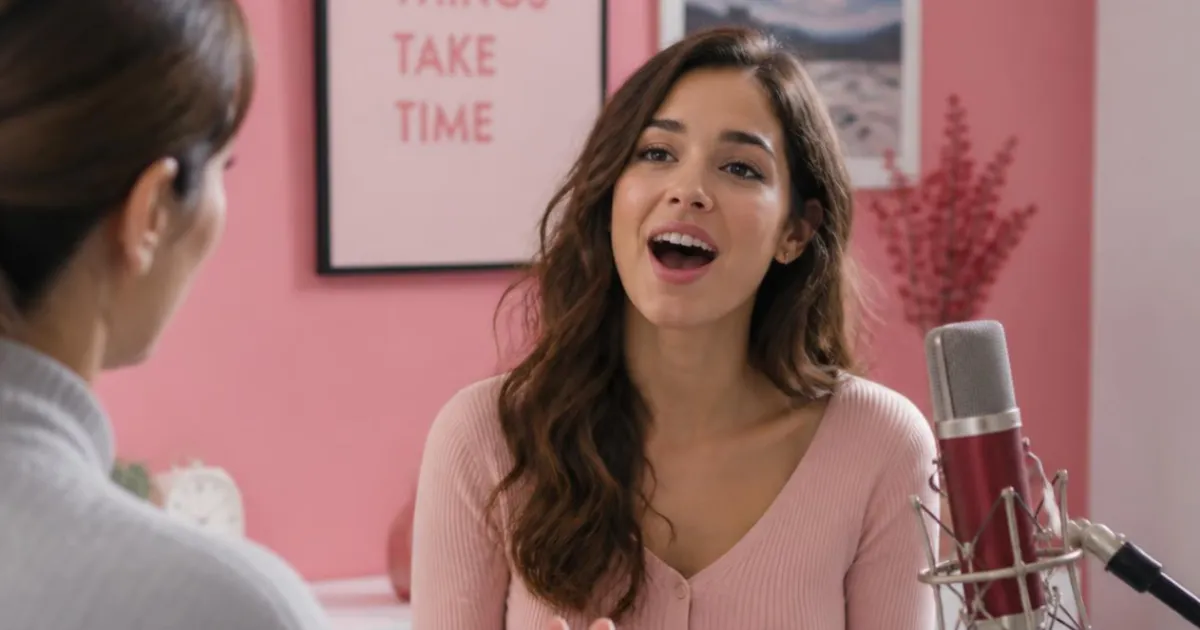
Live Singing Lessons vs Recorded Courses: Which Gets Results Faster?
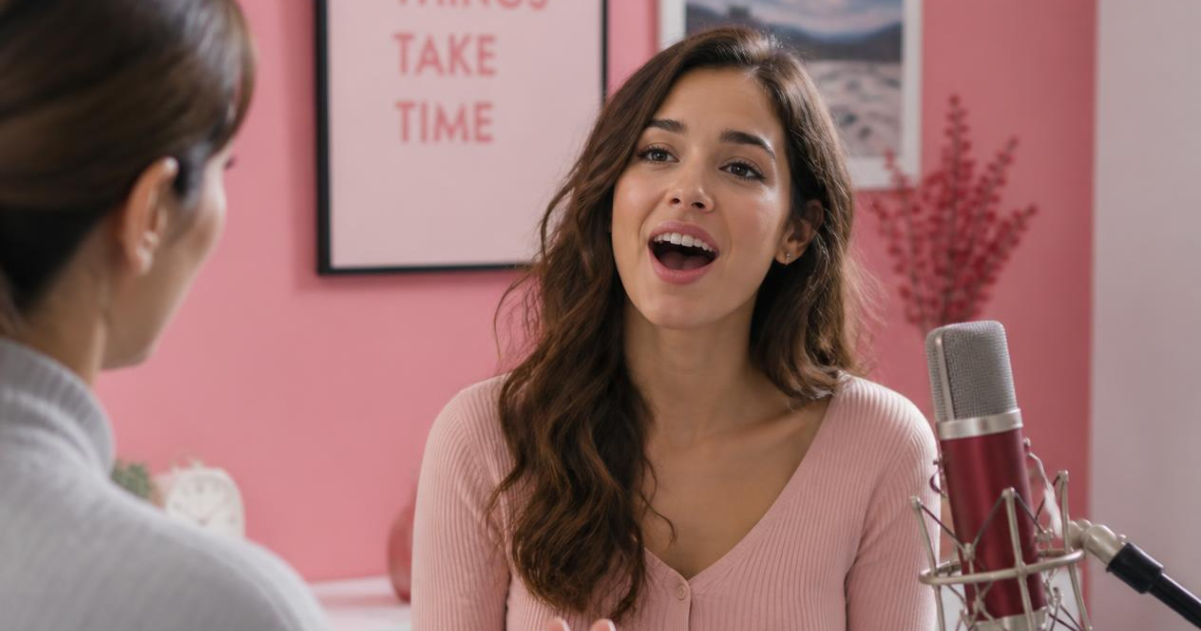
Live Singing Lessons vs Recorded Courses: Which Gets Results Faster?
You could spend months practicing the wrong habit and never know it - unless someone catches the mistake the instant it happens. See why one coaching model claims to close that gap faster than any recorded course can.
Key Takeaways
Live singing lessons tend to produce faster, more noticeable results because an instructor can watch posture, breath, and habits in real time and correct them on the spot
Recorded courses move quickly and are convenient, but they offer limited ways to confirm whether a singer's technique is actually correct
Self-evaluation and effort regulation are two skills that strongly predict whether a student improves through online, self-paced learning
Mary Walker Morton's DreamVoice Accelerator pairs live feedback opportunities with online convenience so aspiring vocalists get both structure and real-time correction
Blending live coaching sessions with flexible recorded practice may be the most realistic path for busy singers who cannot attend lessons every day
Aspiring singers often face a simple but confusing choice: sign up for live lessons with a real instructor, or work through a recorded course at their own pace. Both paths promise progress, but they do not deliver it at the same speed or with the same certainty. Understanding why can save months of frustrated practice and help a singer choose a path that actually builds the voice they want.
Why Feedback Speed Decides Progress
Singing is a physical skill, closer to learning a golf swing than memorizing vocabulary. The muscles involved in breath support, pitch control, and resonance are largely invisible, which means a singer can practice the wrong habit for weeks without realizing it. The single biggest factor separating fast progress from stalled progress is how quickly a singer finds out something is off and gets a clear correction.
This is where the gap between live coaching and recorded content becomes obvious. A live instructor hears a strained note the instant it happens and can offer an adjustment before the habit sets in. A recorded course, no matter how well produced, cannot listen back. It delivers the same explanation to every viewer regardless of what that particular voice is doing right now.
Mary Walker Morton's DreamVoice Accelerator builds its coaching around this exact principle, pairing private lessons, live group classes, and online courses with live feedback opportunities in each format. Readers curious about how a personalized approach might apply to their own voice can review singing courses built around real-time coaching to see how the pieces fit together. The goal in any format should be the same: close the gap between making a vocal mistake and understanding how to fix it.
What Live Coaching Catches That Video Can't
Live instruction works because a trained ear and eye can process far more information than a script or checklist ever could. A coach in the room, or on a live video call, is constantly reading dozens of small signals and adjusting the lesson in response. That responsiveness is difficult to replicate outside a real-time setting.
Reading Posture, Breath, and Physical Habits
Vocal problems can start in the throat. They can also start in the shoulders, the jaw, or the way a singer stands. A slouched posture restricts the diaphragm, tension in the neck strains the vocal cords, and shallow breathing limits the sustain needed for emotional phrases. These are physical habits, and physical habits are easiest to catch when someone else is watching the body, not just listening to the sound.
A live coach can spot a raised chin or a locked knee mid-phrase and correct it immediately, often before the singer even notices the habit exists. This kind of in-the-moment observation is one reason in-person and live video lessons are associated with more noticeable, faster results. Video-based learning was not built to catch what a second set of trained eyes can see.
Correcting Mistakes in the Moment
Beyond posture, live coaching allows for constant small corrections as a song unfolds. If a singer pushes too hard on a high note, a live instructor can stop the phrase, explain what happened, and have the student try it again with a fix in place, all within seconds. That tight loop of attempt, feedback, and retry is what allows skills to lock in quickly.
Recorded courses cannot offer this back-and-forth. A student might sing a passage incorrectly ten times before ever realizing something needs to change, simply because there is no one there to interrupt and redirect. Some online platforms address this gap by allowing students to record themselves for later review, which helps with reflection but still lacks the split-second correction a live setting provides.
Where Recorded Courses Fall Short
Recorded courses have real strengths. They are convenient, often less expensive per session, and let a student learn from anywhere. Their limitations come from the format itself, not from poor production or weak content.
No Individual Diagnosis of Your Voice
Every voice carries its own quirks: a tendency to go breathy on high notes, a habit of tensing before a belt, a slightly flat pitch on certain vowels. A recorded course, built to serve thousands of learners at once, delivers the same sequence of lessons to everyone. It has no way to notice that one particular student's issue is jaw tension while another's is breath support, because it was never designed to diagnose an individual voice in the first place.
This is arguably the biggest structural gap in self-paced learning. A student can complete every module in a course and still not know for certain whether their technique is correct, simply because nothing in the format is built to confirm it.
Fast Content, Uncertain Technique
Recorded lessons often move quickly, letting a motivated student consume a large volume of instruction in a short period of time. Speed is not the same as confirmation, though. Without an instructor listening in, a singer has limited ways to know if the concepts from a video were actually absorbed correctly or just intellectually understood while the underlying habit stayed the same.
This mismatch between watching and doing shows up repeatedly in vocal coaching circles: a student believes they understood a video's explanation, while the specific habit the video was meant to fix never actually changes in their own voice. Recognizing this gap is the first step toward closing it, whether through periodic live check-ins or another form of real feedback.
The Hidden Work Behind Online Learning
Self-paced courses can absolutely work, but they demand something extra from the student that live lessons partly outsource to the instructor: strong self-management skills. Without someone watching and correcting in real time, the learner has to take on that monitoring role personally.
Self-Evaluation and Effort Regulation Predict GPA Gains
Research on self-regulated learning provides a useful window into why some students thrive with recorded content while others stall. A study published in Frontiers in Psychology examined 388 college students who had experienced a significant shift in GPA, either up or down, while learning online. The researchers found that self-evaluation, metacognitive self-regulation, and effort regulation were positive predictors of academic progress, with self-evaluation and effort regulation showing a mutual influence effect on GPA improvement in online learning. Students whose GPA improved scored significantly higher on the self-evaluation measure than those whose GPA declined, and metacognitive self-regulation and effort regulation also showed a significant difference between the two groups.
Translated to singing practice, this means a student working through a recorded vocal course needs to regularly and honestly ask, "Did that sound right? Am I actually improving, or does it just feel comfortable?" Students who build this habit of checking their own work tend to get more out of self-paced material. Those who skip this step often practice the same mistake for weeks without noticing.
How Self-Regulation Skills Boost Academic Performance
Effort regulation, the ability to keep working through material that feels difficult, repetitive, or discouraging, showed up as an especially important factor in the same research. Singing practice can absolutely feel this way. A scale drill or breath exercise is not glamorous, and it is easy to quit early when there is no one checking in to ask about progress.
Metacognitive self-regulation, meaning the ongoing process of planning practice sessions, monitoring understanding, and adjusting strategy afterward, rounds out the skill set. A singer working through a recorded course who plans specific goals for each session, checks in honestly on whether those goals were met, and adjusts the next session accordingly is effectively building a private version of what a live coach normally provides. This takes real discipline, and it explains why recorded courses work well for some students and poorly for others with the exact same material.
Getting the Best of Both Worlds
Neither format has to stand alone. Many singers find their fastest, most sustainable progress comes from combining structured live feedback with the flexibility of self-paced practice between sessions.
Blending Live Feedback With Flexible Practice
A practical approach looks something like this:
Book regular live sessions, whether private lessons or live group classes, to catch physical habits and get real-time correction on the specific issues holding a voice back.
Use recorded materials or personal practice time between sessions to reinforce what was covered live, building muscle memory without needing an instructor present for every single repetition.
Apply self-evaluation between sessions by recording practice and listening back critically, checking whether the correction from the last lesson has actually taken hold.
Bring specific questions or trouble spots to the next live session rather than starting from scratch each time, which keeps the feedback loop tight even with gaps between meetings.
This blended model mirrors what Mary Walker Morton's DreamVoice Accelerator offers through its combination of private lessons, live group classes, and online courses, all built around live feedback opportunities rather than one-way video alone. For a busy professional or an aspiring performer with a packed schedule, this kind of flexibility can make consistent progress realistic without demanding hours of studio time every week.
Live Feedback Wins the Race to Real Results
When speed and certainty matter most, live coaching has a clear structural advantage. A real instructor watching and listening in real time catches physical habits, corrects mistakes before they become permanent, and diagnoses a voice's specific strengths and weaknesses in ways a recorded course cannot replicate. Recorded courses still hold real value for flexibility, review, and building consistent practice habits, provided the student brings strong self-evaluation and effort regulation to the table.
The most reliable path forward for most aspiring vocalists is recognizing what each format does well and leaning on both at the right moments rather than picking one forever. For singers ready to build a plan that fits both their schedule and their voice, checking out live vocal coaching options is a solid next step toward hearing real progress sooner rather than later.